Policy News
EU environment agency report highlights the role of insects in an EU protein strategy
The European Union is on the cusp of a major strategic shift. The EU Protein Diversification Plan is coming, and it brings with it a critical question: Are we ready to embrace all the tools at our disposal? The short answer is yes, but only if we get the strategy right.
A Portfolio Approach is Non-Negotiable
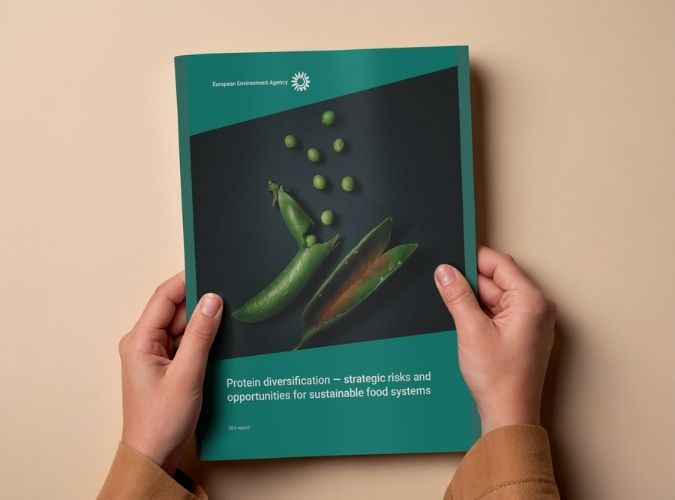
According to a recent report by the European Environment Agency (EEA) on ‘Protein diversification — strategic risks and opportunities for sustainable food systems’, the conclusion set forward is clear. The EEA concludes that a singular focus on one protein source is a risk the EU cannot afford. Instead, a diversified portfolio approach is essential.
Within this portfolio, insects are not just a novelty; they are a confirmed part of the solution. The EEA places insects alongside other alternative protein sources, recognising their unique potential to contribute to a resilient and sustainable food system.
This sentiment is echoed across the policy spectrum. During discussions on the EU Protein Plan at the AGRIFISH Council, Member States emphasised the need to include both animal and plant sources. Crucially, a Member State called for specific regulatory action to unlock the full potential of insects and other alternative proteins. The message is unanimous: All have a role to play.
The Policy Push and the Circular Opportunity
IPIFF has reiterated that the EU cannot afford to overlook any alternative protein source, warning that doing so compromises the bloc’s resilience.
Furthermore, Bellona Europa has highlighted a surprising fact: Europe’s primary challenge is not a scarcity of biological resources. With over 40 million tonnes of mixed food waste generated annually, the bottleneck lies in our lack of coherent policy frameworks. We need these frameworks to enable the safe and circular use of this waste in insect farming.
The EEA’s 2025 report already provided a concrete blueprint to fix this:
- Strengthen R&D to innovate and improve efficiency.
- Clarify regulations to reduce uncertainty for investors and producers.
- Create market demand through mechanisms like Green Public Procurement.
- Allow the safe use of mixed food waste as a substrate for insects.
The Bottom Line
The EU has a clear path forward. By adopting a comprehensive portfolio strategy that includes insects, supported by clear regulations and investments in circularity, Europe can build a protein system that is not only sustainable but also secure and prosperous.
Europe’s Insect Sector: The Untapped Pillar of EU Strategic Autonomy
A Defining Moment for European Agriculture
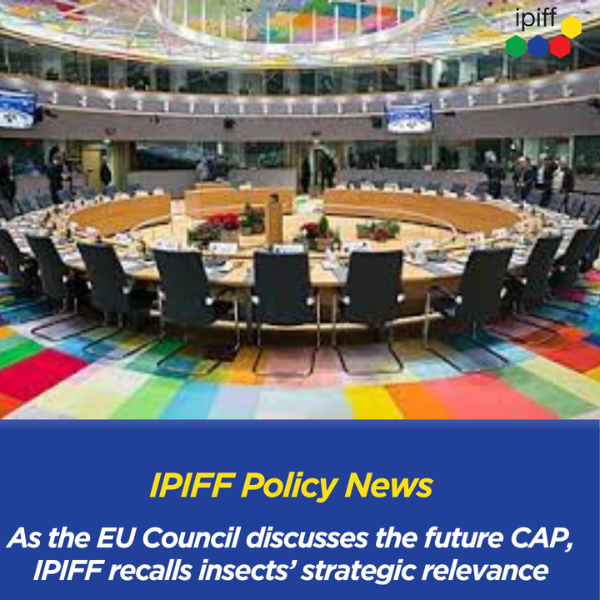
As the Agriculture and Fisheries Council convened on the 22nd and 23rd of June to outline the contours of the post-2027 Common Agricultural Policy (CAP), a quiet but critical debate is taking place behind closed doors. The question isn’t just about how we farm, but what we farm—and how we future-proof our food systems against a volatile world.
In response to this pivotal meeting, the International Platform of Insects for Food and Feed (IPIFF) has issued a decisive letter to EU Member States. The message is clear: the European insect sector is no longer a niche experiment. It is a resilience power that delivers on every pillar of European strategic autonomy—yet it remains dangerously under-supported.
Here is why the insect sector must be a priority for the next CAP.
A Resilience Powerhouse
The insect sector decouples protein production from the geopolitical instability that plagues traditional supply chains. While Europe relies heavily on imported soy and fishmeal—often tied to deforestation and overfishing—insect farming offers a localized, shock-resistant solution.
A €2 Billion Bet on European Innovation
Europe currently leads the world in insect farming innovation, attracting over €2 billion in private investment. This is not a fledgling hobby; it is an industrial revolution in its early stages. However, innovation alone is not enough.
Without bold, coordinated policy support, we risk losing this leadership to other regions that are scaling up their insect industries fast. The EU has built a regulatory framework based on the highest safety standards. Now, we must build the economic framework to match.
Real People, Real Livelihoods
Behind the technology and the investment are real jobs. Today, the insect sector supports approximately 1,000 direct jobs and 3,500 indirect jobs across the EU. While these numbers are modest, the potential is extraordinary.
With the right policy environment, this sector is projected to support over 30,000 high-quality jobs by 2030—primarily in rural and peri-urban areas. These are the “green jobs” of the future, revitalizing local economies and providing sustainable livelihoods that keep communities intact.
However, a lack of coordinated policy commitment, combined with an uneven playing field relative to established sectors and cheap imports, threatens to undo years of progress.
The Call to Action: 5 Steps for the Future CAP
To ensure the EU remains the global leader in this sector, IPIFF calls on Member States to include these five key commitments in their National CAP Strategic Plans:
- Unlock Financial Access: Include insect farming in National CAP Strategic Plans to unlock access to the €293.7 billion allocated for income support and crisis management.
- Boost Rural Development: Prioritize rural development funding to support on-farm insect production units and the modernization of the sector.
- Integrate Proteins: Align with the EU Protein Diversification Strategy by explicitly including insect-based proteins in the policy roadmap.
- Reward Circularity: Recognize and compensate the circular economy value of insect farming (waste-to-protein, frass fertilizer) within the Bioeconomy Strategy and the upcoming Circular Economy Act.
- Level the Playing Field: Ensure fair competition and support for all innovative protein sectors. As echoed by Member States in the Council, no one should be left behind.
From a 2013 Seed to a 2026 Reality: How Insect Farming Became a Strategic Necessity
The Meeting That Wasn’t About Nostalgia
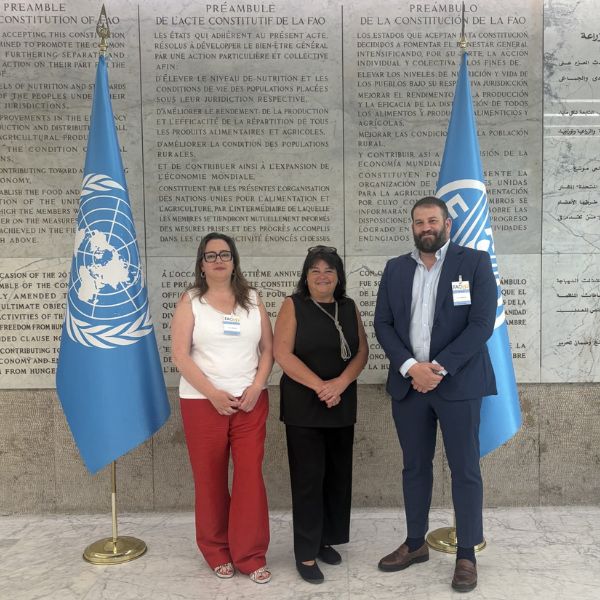
In the historic halls of the FAO in Rome, IPIFF President Adriana Casillas and Secretary-General Steven Barbosa sat down with Daniela Battaglia. On the surface, it was a routine institutional meeting. In reality, it was something far more significant: a moment of convergence.
This was not a gathering to reminisce about the early days of insect farming. There was no time for nostalgia. Instead, it was a meeting of minds recognizing that what began as a visionary concept has now become a strategic imperative for global food security.
2013: The Year Everything Changed
Let’s rewind to 2013. At that time, insects as food and feed were still considered a fringe idea—interesting in theory but impractical at scale. That year, the FAO published a landmark report that would alter the trajectory of an entire industry: “Edible Insects: Future prospects for food and feed security.”
That report did not merely describe a possibility. It legitimised an industry.
For the first time, a major international body had put its credibility behind the notion that insects could play a meaningful role in feeding a growing planet. It gave researchers, entrepreneurs, and policymakers permission to take the sector seriously.
The Seed Has Grown
Today, that seed has flourished into a €2 billion European sector, complete with:
- Industrial-scale production facilities operating across the continent
- Regulatory approvals for insects in aquaculture, pig, and poultry feed
- Novel Food authorisations opening doors for human consumption
- A growing ecosystem of research, innovation, and investment
For that vision, we owe the FAO our deepest gratitude. But we are not here to reminisce. We are here because the world has caught up to what the FAO saw more than a decade ago.
Three Converging Crises
Three separate but interconnected crises have transformed insect protein from a niche alternative into a strategic necessity:
A) The Anchovy Collapse in Peru
Peru supplies approximately 20% of the world’s fishmeal. This year, environmental shocks forced a 36% reduction in fishing quotas. The World Bank now projects exponential growth for insect meal—not because the industry markets well, but because marine ingredients are no longer a reliable source of protein.
The message is clear: we cannot depend on wild-caught fish to feed our farmed animals.
B) Geopolitical & Climate Fragility
Insect farming offers something that conventional protein supply chains cannot: localised, circular, shock-resistant production.
By converting by-products into protein, oil, and frass (organic fertiliser), insect farms:
- Reduce dependence on imported feed ingredients
- Shorten supply chains dramatically
- Produce in just 6–8 weeks, responding quickly to demand
- Offer a circular solution that turns waste into value
C) Antimicrobial Resistance (AMR)
The FAO has identified AMR as one of the most pressing health threats of our time. Insect meal is not just feed—it is a tool.
Research demonstrates that insects can reduce the need for antibiotics in animal production. That’s not just better for animal welfare; it’s One Health in action, protecting human health by reducing the reservoir of resistant bacteria in the food system.
The Policy Moment Is Now
On 19 May 2026, the European Commission launched a comprehensive plan to secure Europe’s fertiliser supply and food security. The strategy explicitly addresses strategic dependencies and climate resilience.
The Time for Action Is Now
The crises are real. The solutions exist. The technology is proven. The cost gap is closing.
At IPIFF, we left Rome with a renewed sense of urgency. The 2013 FAO report gave us legitimacy. The 2026 reality gives us responsibility.
We are grateful for the journey so far. But gratitude is not enough. The industry has matured from a seed into a solution—and now we must scale that solution with the speed that the converging crises demand.
The vision is clear. The window is open. The work continues.
The EU Fertiliser Paradox: Importing Solutions While Blocking Homegrown Innovation
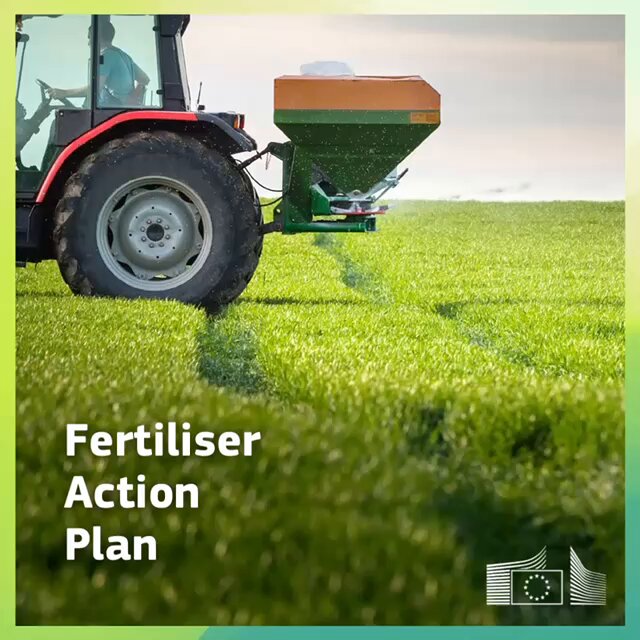
We find ourselves in a curious policy moment. The European Union has taken a decisive step to secure our agricultural supply chains, but it has done so with one hand tied behind its back.
Recently, the EU announced the suspension of customs duties on nitrogen-based fertilisers (urea and ammonia) from third countries. On the surface, this is a pragmatic move: it aims to lower costs for struggling farmers and reduce our heavy dependency on Russian and Belarusian imports. It is estimated that this action will save the agricultural sector roughly €60 million in import duties.
Admirable? Yes. Necessary? Absolutely. But is it complete? Far from it.
The Elephant in the Room: Insect Frass
While the EU opens its doors wider to imported synthetic fertilisers, it continues to slam the door on a homegrown, circular alternative: Insect Frass.
Produced entirely within the EU from EU side streams, insect frass is the organic fertiliser derived from insect rearing. It is nutrient-rich, improves soil health, and is aligned with the very principles of the Farm to Fork Strategy and the Circular Economy Action Plan.
Yet, despite its potential, insect frass remains NOT fully recognised under the EU Fertilising Products Regulation (EU) 2019/1009. This means that European producers are effectively blocked from placing it on the Single Market with the same ease as imported synthetic fertilisers.
The Policy Paradox
We cannot help but notice the contradiction. On one hand, the EU is spending significant political and fiscal capital (€60 million in foregone duties) to diversify supply from external sources. On the other, it is allowing regulatory inertia to stifle a circular alternative that originates within our borders.
You are effectively building one hand of policy (tariff suspension for imports) while tying the other hand (excluding EU insect frass). This disconnect undermines the very goals of the Green Deal and our strategic autonomy.
A Call for Action
To the Council, the Commission, and Member States, we say this: It is time to put your money where your mouth is—or rather, your political capital.
- Include Insect Frass in the EU Fertilising Products Regulation—Now. The technical delays must end. We need a clear and accelerated timeline for full recognition.
- Target Insect Frass in the Bioeconomy Strategy. The upcoming public procurement initiative for bio-based soil fertilisers must actively include insect frass to stimulate demand and production.
The Bottom Line
European farmers want affordable, reliable, and sustainable fertilisers. The insect sector is ready to deliver. But the path to market must be cleared. We cannot expect to build a resilient agricultural system by looking outward for solutions while ignoring the circular, sustainable answers growing right here at home.
We urge the EU to match its import diversification efforts with an equal commitment to domestic innovation. Remove the regulatory barriers for insect frass, and let the circular economy truly take root.
Recent update
According to the latest information on behalf of the European Commission replying to an IPIFF inquiry, the amendment of the EU Fertilizing Products Regulation envisaging the inclusion of insect frass under CMC 10 is foreseen to be published in July.
IPIFF in Media
Insects: Not a Mere Alternative but a Necessity for EU’s Resilience and Security
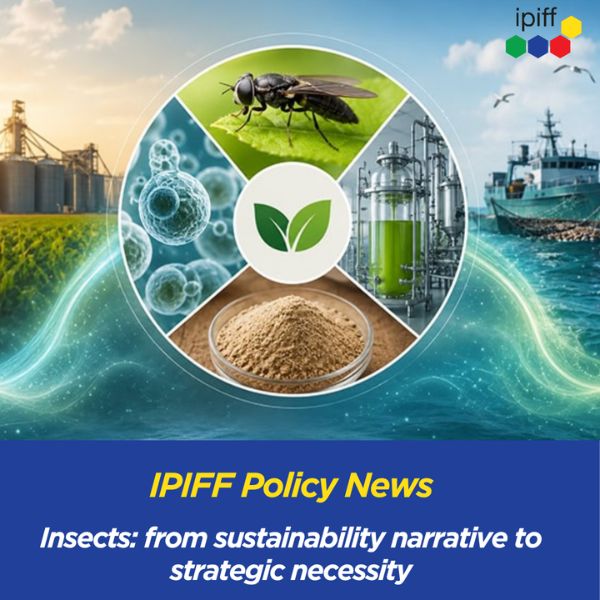
For years, the discussion around insect protein has been largely confined to the sustainability bubble. It was viewed as a “nice-to-have” alternative for eco-conscious consumers and forward-thinking feed producers, a way to reduce the carbon footprint of our food systems.
That narrative is changing. And it is changing fast.
While the environmental benefits remain undeniable, the conversation has shifted dramatically. Deepening geopolitical risks, increasingly fragile global supply chains, and structural constraints in conventional protein sources are fundamentally forcing a re-evaluation. Insects are no longer just an environmentally friendly option; they are quickly becoming a strategic tool for long-term resilience.
The Geopolitical Shift
The recent plan presented by the European Commission to secure fertilizer supply and bolster food security underscores a pressing reality: strategic autonomy is no longer an abstract political goal; it is a necessity.
The reliance on imported protein sources—particularly soy—has long been a vulnerability for the EU. When global events disrupt trade routes or impact harvests in key exporting regions, the ripple effects are felt immediately across the European agricultural sector, driving up feed costs and threatening livestock production.
“At a time when the European Commission just presented a plan to secure fertilizer supply and food security, strategic autonomy discussions couldn’t be more timely,” Barbosa states. “Our sector is ready to play a pivotal role in ensuring the EU’s long-term food and feed security.”
The path to EU resilience requires a diversified portfolio of protein sources. It is no longer sufficient to debate the merits of alternatives; we must now integrate them into the very fabric of our strategic planning.
To understand the full scope of this transformation—from challenges to opportunities—we highly recommend reading the full interview with Steven Barbosa.
From Waste to Resilience: Why Europe’s Food System Bottleneck Is Policy, Not Resources
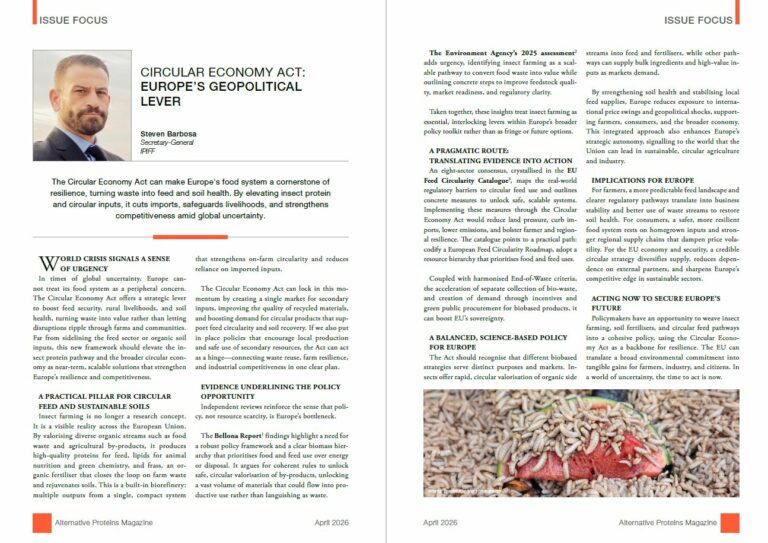
In an era of geopolitical uncertainty, trade disruptions, and climate pressures, Europe’s food system faces a defining question: Will it continue to rely on imported protein sources vulnerable to global shocks, or will it unlock the circular solutions already within reach?
For Steven Barbosa, Secretary-General of the International Platform of Insects for Food and Feed (IPIFF), the answer is clear—and the clock is ticking.
In an exclusive interview with Alternative Proteins Magazine (April 2026), Barbosa argues that Europe’s food system bottleneck is not a scarcity of resources but a failure of policy. The solution, he contends, lies in the Circular Economy Act—Europe’s most underused geopolitical lever—and in insect farming, one of the clearest, most scalable solutions already available.
The Evidence Is Unambiguous
Three recent assessments make the case with striking clarity:
- The Bellona Report identifies regulatory barriers—not resource scarcity—as the primary obstacle to valorising bio-resources at scale.
- The European Environment Agency’s 2025 assessment singles out insect farming as a high-efficiency pathway to convert bio-waste into protein, lipids, and frass.
- The EU Feed Circularity Catalogue, backed by an eight-sector consensus, maps the real-world barriers and the concrete steps to remove them.
The message is consistent: the science and the technology are ready. The policy architecture is not.
A Sector Already Operating at Scale
Insect farming is not a future sector. It is operating commercially across EU Member States today—producing protein, lipids, and frass from organic waste streams in a single, compact system.
The European insect sector has already reached an investment volume of €2 billion. Major global feed companies like Biomar and Skretting are committing to insect meal, and the 2025 World Bank reports confirm that the sector has reached technological maturity.
Yet policy incentives risk pushing investment toward new innovations with longer, more uncertain regulatory timelines—while a near-term, circular solution is already on the shelf.
The Circular Economy Act Can Change That
Barbosa’s vision is concrete and actionable. By:
- Creating a single market for secondary inputs,
- Codifying a European Feed Circularity Roadmap, and
- Adopting a binding biomass value hierarchy,
Europe can turn waste into feed, feed into resilience, and resilience into strategic autonomy.
The recent Agriculture and Fisheries Council delivered what Barbosa calls “a powerful correction” to the European Commission’s vision for protein. EU Member States rejected a strategy disproportionately focused on plants, demanding a truly inclusive approach that embraces all sustainable solutions—including insect farming.
The Council’s action plan is clear: cut red tape, prioritise European production, and embrace circularity. Member States highlighted the “absurdity” of current regulations that stifle a sector uniquely capable of upcycling food waste into valuable feed.
A Win for Farmers, Consumers, and Europe’s Strategic Autonomy
Farmers gain predictability. Consumers gain supply chain security. Europe gains a competitive edge it has already earned—it simply needs the policy architecture to match.
As Barbosa stated in a joint call with the Federation of European Aquaculture Producers (FEAP), geopolitical instability, trade uncertainty, and climate pressures are reshaping the feed value chain. Expanding access to sustainable aquafeed sources like insect meal is not just an environmental imperative—it is a strategic one.
“The message from the Council was unequivocal,” Barbosa said. “The future of EU protein is diverse, circular, and innovative. It’s now time for the Commission to act on this mandate and deliver a strategy that harnesses the full power of European innovation.”
In a world where borders are closing and shipping routes are blocked, transforming waste into protein—and protein into local security—is not just good environmental policy. It is a geopolitical necessity.
Europe has no more time to take decisive steps. The solutions are here. The only question is whether policymakers will seize them.
📖 Read the full article in Alternative Proteins Magazine (April 2026) >
IPIFF at EuroTier 2026: Leading the Global Change with Insect Protein
As the agricultural world turns its eyes toward Hannover this November for EuroTier 2026, the conversation is shifting toward sustainability, efficiency, and the future of feed. This year, we are proud to announce that the International Platform of Insects for Food and Feed (IPIFF) is stepping onto the main stage to highlight one of the most exciting developments in modern agriculture: the insect farming revolution.
A Spotlight on Innovation at the World’s Largest Ag Fair
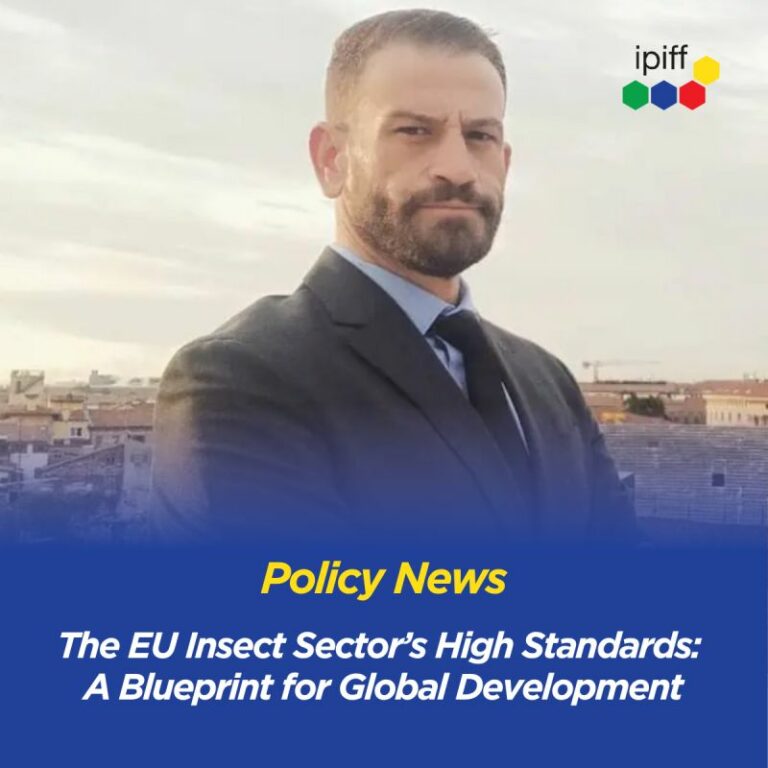
EuroTier is recognized as Europe’s largest fair of its kind, making it the ultimate venue to demonstrate how insect protein is transforming the agricultural supply chain. With a dedicated lineup of IPIFF keynote speakers, we are poised to showcase the immense potential of this sector—from enhancing animal feed quality to fostering a more circular and resilient food system.
Insights from the Front Lines
Ahead of our participation, our Secretary-General, Steven Barbosa, sat down with the German Agricultural Society (DLG) for an exclusive interview. The resulting piece provides a deep dive into the current state and future trajectory of insects as animal feed on a global scale.
Europe’s Role as a Global Blueprint
One of the key takeaways from Steven’s conversation was the decisive leadership role Europe plays in this arena. The EU is not just a market leader—it is a world leader in regulation, safety, and quality standards. These stringent norms are doing more than ensuring safety; they are building trust among authorities, investors, and consumers. Increasingly, European standards are serving as the global blueprint for the industry’s development.
📖 Read full interview, in the DLG magazine.
Insects as a transcontinental geopolitical issue
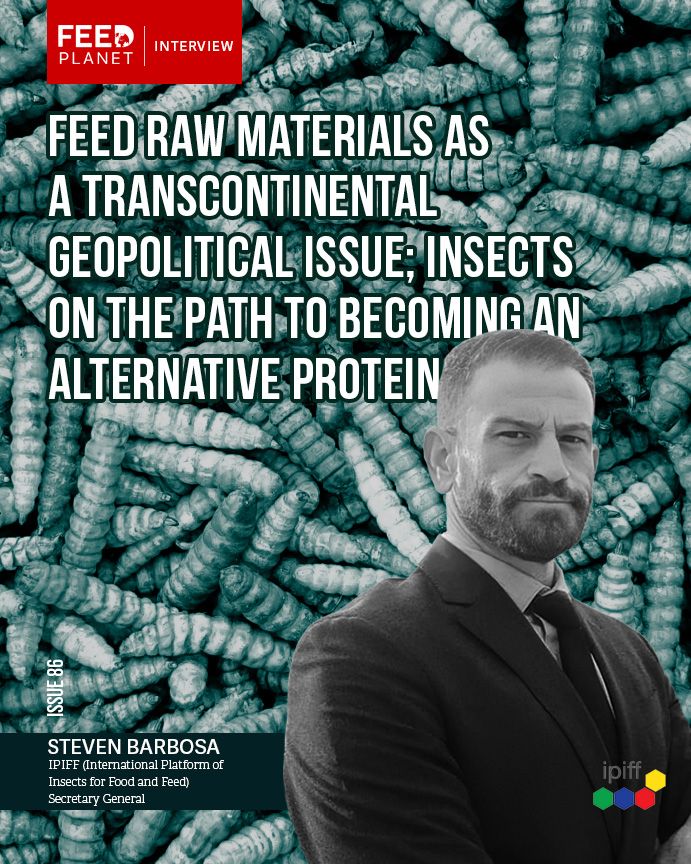
As the sector grows, the conversation at EuroTier will focus on a critical question: How can this ecosystem scale to meet global demand?
While Europe holds a strong regulatory position, there is still work to be done. We must explore how to accelerate progress to maintain our competitive edge while supporting the global expansion of this sustainable industry.
From Niche to Strategic Necessity: How Insect Protein Is Reshaping Europe’s Feed Landscape
In an era when geopolitical shocks are disrupting traditional feed raw material supplies, insect protein is rapidly moving from a fringe alternative to a strategic pillar of European feed security. In a recent indepth interview with Feed Planet magazine, the Secretary General of the International Platform of Insects for Food and Feed (IPIFF) laid out the sector’s 2030 vision – one backed by €2 billion in European investment, driven by a functional revolution in feed formulation, and built around a “local protein cycle” model that aims to decouple supply chains from geopolitical turbulence.
Geopolitics as a Catalyst: From “NicetoHave” to “MustHave”
For decades, Europe’s feed industry has relied heavily on imported protein sources – soybeans, fishmeal, and other key ingredients that travel across oceans. Any trade dispute, climate anomaly, or regional conflict can send prices soaring and disrupt deliveries. This “transcontinental” supply model is increasingly seen as a vulnerability for livestock and aquaculture production.
Against that backdrop, insect protein’s strategic value is being reassessed. Unlike soy, which requires specific climates, largescale cultivation, and longdistance shipping, insect farming can be set up almost anywhere – in disused industrial buildings on city outskirts or on agricultural sites in rural areas. Species such as the black soldier fly convert organic byproducts from the food industry and agricultural residues into highquality protein and lipids, effectively turning waste into value.
A Functional Revolution: More Than Just Protein
If insect protein was once viewed simply as a substitute for fishmeal or soy, cuttingedge work is changing that perception. Insectbased feed ingredients deliver not only concentrated crude protein and fat, but also minerals, vitamins, and a variety of bioactive compounds – including antimicrobial peptides and chitin derivatives – that may offer health benefits beyond basic nutrition.
Realworld data supports this added value. A Danish pig farm, for example, replaced 15% of its soybean meal with black soldier fly protein and saw its feed conversion ratio improve from 2.85 to 2.63. This is not just “substitution” – it is optimisation. Insect protein is evolving from a mere protein source into a functional enhancer for feed formulations.
The “Local Protein Cycle”: Breaking the Geopolitical Link
Perhaps the most disruptive promise of insect farming lies in the “local protein cycle” it enables. Insects can transform local foodchain byproducts and residues into highgrade protein, drastically reducing reliance on imported raw materials. IPIFF has explicitly called for policies that promote integrated local value chains, turning regional sidestreams into circular hubs for insect protein production.
The geopolitical significance is profound. When protein can be produced and consumed locally, the feed supply chain is no longer held hostage by distant weather, port congestion, or customs policy. The EUsupported LIFE Waste2Protein project has already validated this pathway, using black soldier fly larvae to recover organic waste into highvalue protein and fertilisers. From waste management to protein innovation, the black soldier fly is becoming a poster child for the circular bioeconomy.
The Policy Window Is Opening
Industrial scaleup will not happen without supportive regulation. IPIFF is actively pushing for insect farming to be recognised as a strategic pillar of the EU’s Common Agricultural Policy. According to estimates, if processed insect protein is authorised for poultry and pig feed, it could create 25,000 new direct and indirect jobs by 2030.
The IPIFF Secretary General put it plainly: “By 2030, insect protein must evolve from a promising alternative to a strategic pillar of Europe’s sustainable food system.” And to make that transition happen, he added, “we must be led by facts, not fiction.”
From €2 billion in investments to functional performance gains, from local circular models to regulatory breakthroughs – the insect protein sector is writing a story of transformation from the margins to the mainstream. In an age of mounting geopolitical uncertainty, that story may hold lessons not just for the feed industry, but for Europe’s broader quest for strategic autonomy.
Industry News
Spain’s Strategic Bet: How Insect Farming VET is Shaping the EU’s Protein Future
The Big Picture
In a move that signals a significant shift in agricultural education, Spanish authorities have officially launched a specialized qualification in “Insect Husbandry.” This isn’t just another training course; it is a strategic initiative designed to place Spain at the forefront of the alternative protein revolution.
The program, classified as Grade E (EQF 4) and comprising 600 hours of training, is meticulously crafted to equip learners with the technical expertise required to rear, breed, and manage insects throughout their entire life cycle for food production. This goes beyond basic entomology, providing a holistic curriculum that covers:
- Feeding and Nutrition: Understanding the optimal diets to ensure healthy and productive insect populations.
- Environmental Control and Welfare: Mastering the industrial conditions required for mass rearing while adhering to welfare standards.
- Transformation: Processing insect biomass into food and feed ingredients.
- Food Safety and Sustainability: Navigating the regulatory landscape and ensuring production meets the highest environmental and safety standards.
A Pillar of National Productivity
This initiative is not operating in a vacuum. It is a key component of Spain’s broader strategy to consolidate Vocational Education and Training (VET) as a core engine of national productivity and economic growth. The numbers speak for themselves:
- Massive Scale: Over 1.2 million students are enrolled in VET programs for the 2025/26 academic year.
- Modern Framework: The modular qualifications are regulated by Organic Law 3/2022, which enables lifelong learning and allows for rapid skills updates to meet the demands of the green and digital economy.
Why This Matters Now: A Strategic EU Lens
The timing of this development is critical. We are moving beyond the environmental arguments for insect protein; we are entering a phase of strategic necessity.
The EU insect sector, represented by the International Platform of Insects for Food and Feed (IPIFF), is urging Member States to recognize insects as a key lever to tackle strategic dependencies and vulnerabilities. During the AGRIFISH Council of the European Union in July 2025, the discussion explicitly acknowledged the need for the Commission to consider the insect sector’s specific contribution within the broader Protein Strategy.
In a context of geopolitical instability, relying on imported protein sources poses a significant risk. Developing a resilient, decentralized protein supply chain is a matter of food security and sovereignty.
A Model for the Future
Spain’s approach demonstrates how targeted VET programs can build resilient supply chains, drive sustainable production, and create new green jobs across sectors. It is a concrete example of how education policy can align with industrial strategy to address pressing economic and environmental challenges.
As other EU Member States look to develop their own protein strategies, Spain’s investment in specialized insect husbandry education offers a replicable blueprint for the future of European agriculture.
Internal Work
Shape the Future of the European Insect Sector: Participate in the Critical 2025 IPIFF Industry Survey!
The European insect sector is no longer an emerging concept—we are in the midst of a rapid upscaling and commercial consolidation phase. Our progress is being watched by investors, policymakers, and value chain partners across the globe. To ensure our collective voice is heard clearly and backed by the most compelling evidence, we must speak with one voice, supported by the most current and robust data.
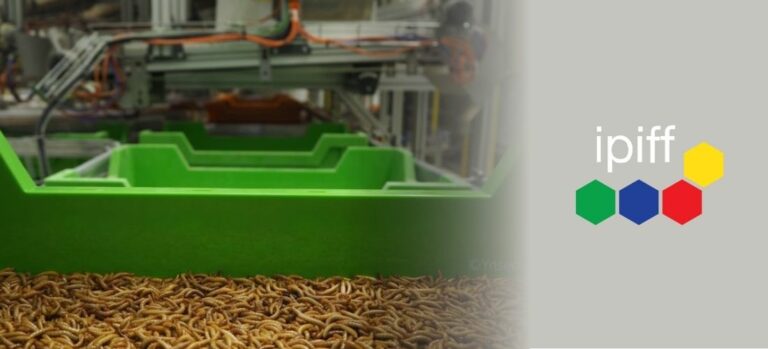
This is why the IPIFF Secretariat is thrilled to announce the relaunch of our flagship Industry Data Survey, now supercharged by the participation of the 50+ member companies of the UK Edible Insect Association. This unprecedented collaboration marks a significant step forward in the representativeness and impact of our advocacy work.
Why Your Participation Matters Now More Than Ever
The information you provide will be the bedrock of our upcoming advocacy toolkit, designed to support your business and the entire sector.
We are updating our core communication materials to reflect the reality of the market in 2025, 2026, and beyond. By contributing, you are directly shaping:
- The Updated Feed Market Factsheet: We need precise figures on the quantities of insect-based feed products commercialized in the EU in 2024 and 2025, along with your forecasts for 2026 and 2030. This data is critical to demonstrate our sector’s growth trajectory and potential to replace conventional proteins.
- The ‘IPIFF 2030’ Brochure (Updated Edition): Originally published in November 2023, this flagship document is being refreshed with your input. We will update key indicators such as:
- Total investments generated by the sector.
- The pace of new production plant construction.
- Job creation figures.
- The main drivers of success in our industry.
This updated brochure, scheduled for publication in May 2025, will be an indispensable tool for your own outreach to investors, commercial prospects, and media.
Your Input is the Final Ingredient
The IPIFF Secretariat is working diligently to consolidate this information to produce the new materials by May 2025. To meet this ambitious deadline, we need your response by the 30th of September.
➡️ PARTICIPATE IN THE SURVEY NOW
IPIFF Annual Event- Registrations now open!
An event in partnership with The Parliament and co-hosted by the MEP Paulo Nascimento Cabral (EPP, Portugal), will bring together stakeholders from EU institutions, aquaculture and livestock sectors, and circular economy champions.
From a single feedstock, insect farming can deliver protein for animal feed and, increasingly, for food; lipids for industrial uses; and frass—a natural fertiliser that closes nutrient loops on farms, while achieving food waste reduction targets.
IPIFF Events
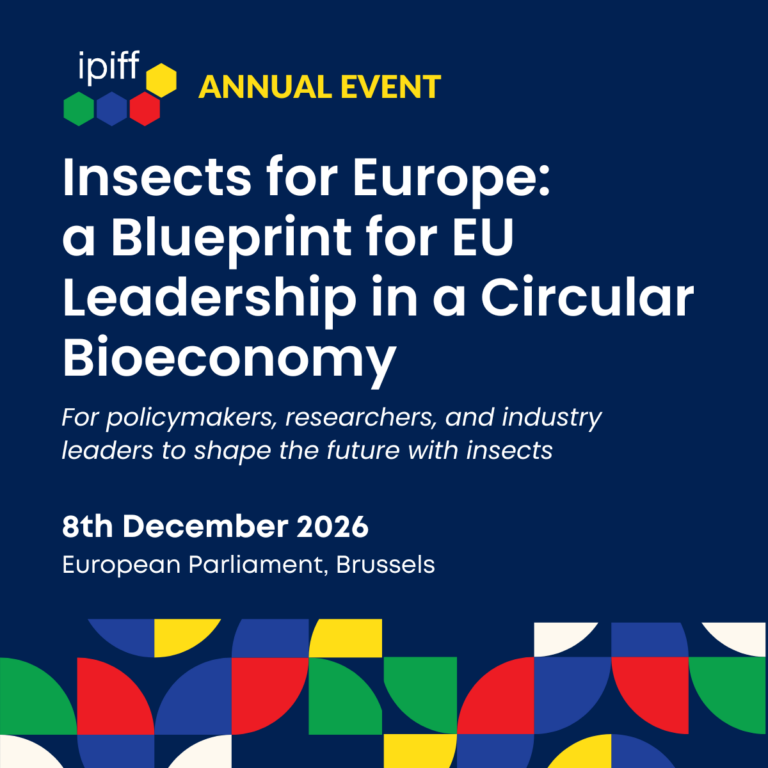
This multi-output model aligns with regional biorefinery concepts that transform waste streams into a portfolio of products, rather than a single commodity.
The right policy mix—rooted in the EU framework for circularity and bioeconomy—can translate smart regulation into real market uptake
Concrete outcomes are on the table. The event aims to deliver:
- A binding EU action plan with milestones and governance that tracks resource efficiency, circularity, maturity, scale, and regulatory progress.
- Roadmaps for regional biorefineries and for integrating insect outputs into agrifood supply chains.
- Harmonised EndofWaste criteria and a clear biomass value hierarchy that guides investment, procurement, and policy alignment where insects are acknowledged and valorised.
- Public procurement criteria that support biobased soil enhancers and insect-derived inputs (insect frass) catalysing market uptake.
The EU’s current political framework provides a powerful backdrop for this discussion. At the core is a convergence of three big strands:
- The Circular Economy Action Plan, aimed at reducing waste, boosting resource efficiency, and creating markets for circular products.
- The Vision for Fisheries & Aquaculture and CAP reforms, which set the direction for sustainable farming, animal nutrition, and rural development across the EU.
- The EU’s evolving bioeconomy policy, which seeks to mobilize biological resources for sustainable growth while protecting the environment.
- As Europe faces global volatility in inputs and climate pressures, the insectdriven circular bioeconomy offers a timely, scalable pathway to resilience, rural livelihoods, and competitive, sustainable farming and aquaculture
As Europe faces global volatility in inputs and climate pressures, the insectdriven circular bioeconomy offers a timely, scalable pathway to resilience, rural livelihoods, and competitive, sustainable farming and aquaculture.
“This oneday summit is a turning point,” says Adriana Casillas, IPIFF President. “We’re aiming to leave with a concrete, actionoriented plan that accelerates Europe’s leadership in a circular bioeconomy—built on insect biorefineries, soil health, and resilient food systems.”
📖 Read more about the event, in the featured article of the Parliament Magazine, here >
👀 Learn more about confirmed speakers and sponsors in the Event’s landing page, here >
A Stronger, United Future: Reflecting on a Pivotal Week for the EU Insect Sector
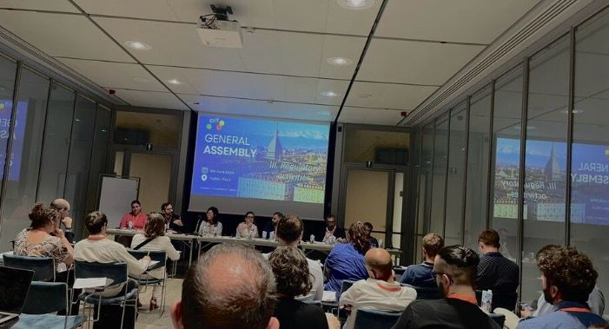
A message on behalf of our IPIFF President
Dear Industry Colleagues and Partners,
It was a week that truly put the European insect sector on the map.
From June 8th to 12th, the historic city of Turin became the vibrant epicenter of our industry’s progress. Hosting both the IPIFF General Assembly and the prestigious IFW 2026 – Insects to Feed the World conference back-to-back, we witnessed an unprecedented convergence of minds, innovation, and commitment.
The energy throughout the week was nothing short of inspiring. It was a powerful reminder of how far we have come as a sector and, more importantly, how united we are in shaping the future of food and feed.
Highlights from the Week
The week was packed with significant milestones and forward-looking discussions:
- A Growing, United Front: The IPIFF General Assembly saw us officially welcome several new members. This expansion strengthens our collective voice and demonstrates the growing confidence in our industry’s potential.
- Strategic Global Dialogue: We benefited immensely from the insights of our IPIFF Strategic Advisory Members. Special thanks to Laura Payo Lewis from Argenta, whose contributions were invaluable. We were also honoured to host global counterparts, including Aaron Hobbs from the North American Coalition for Insect Agriculture and Marcus Vagt from EuroTier, enriching our discussions with a global perspective on regulatory and market trends.
- Showcasing Innovation and Knowledge: The IFW 2026 conference was a testament to the incredible research and innovation driving our sector. It was particularly encouraging to see IPIFF Members actively participating in panel discussions, sharing their expertise and highlighting the tangible progress being made.
- A Clear Commitment: The overarching message from Turin was crystal clear: The EU insect sector is not just growing; it is resilient, collaborative, and ready to deliver on key sustainability goals. From advancing the circular economy to ensuring food security, our industry is a critical part of the solution.
A Heartfelt Thank You
This event’s success would not have been possible without the dedication and support of many.
We extend our deepest gratitude to Professor Laura Gasco and the Università degli Studi di Torino for organizing such a stellar IFW 2026 conference. A special word of appreciation also goes to Professor Laura Gasco and Symposium srl for their invaluable support in coordinating the IPIFF General Assembly.
Finally, a big shout-out to the 50 IPIFF member organizations who travelled to Turin to participate. Your presence and active engagement are what make our platform strong.
The road ahead is full of opportunity, and with the collective strength we demonstrated this week, we are more confident than ever in our ability to navigate it successfully.
Together, we are shaping the future of food and feed.
Sincerely,
IPIFF President,
Adriana Casillas
IPIFF (International Platform of Insects for Food and Feed)